
Intensive & critical care
A monitored unit for the sickest patients in the hospital, where one nurse watches only a small group of beds and a consultant reviews every case each day.
Speak to the ICU deskContinuous monitoring, close by
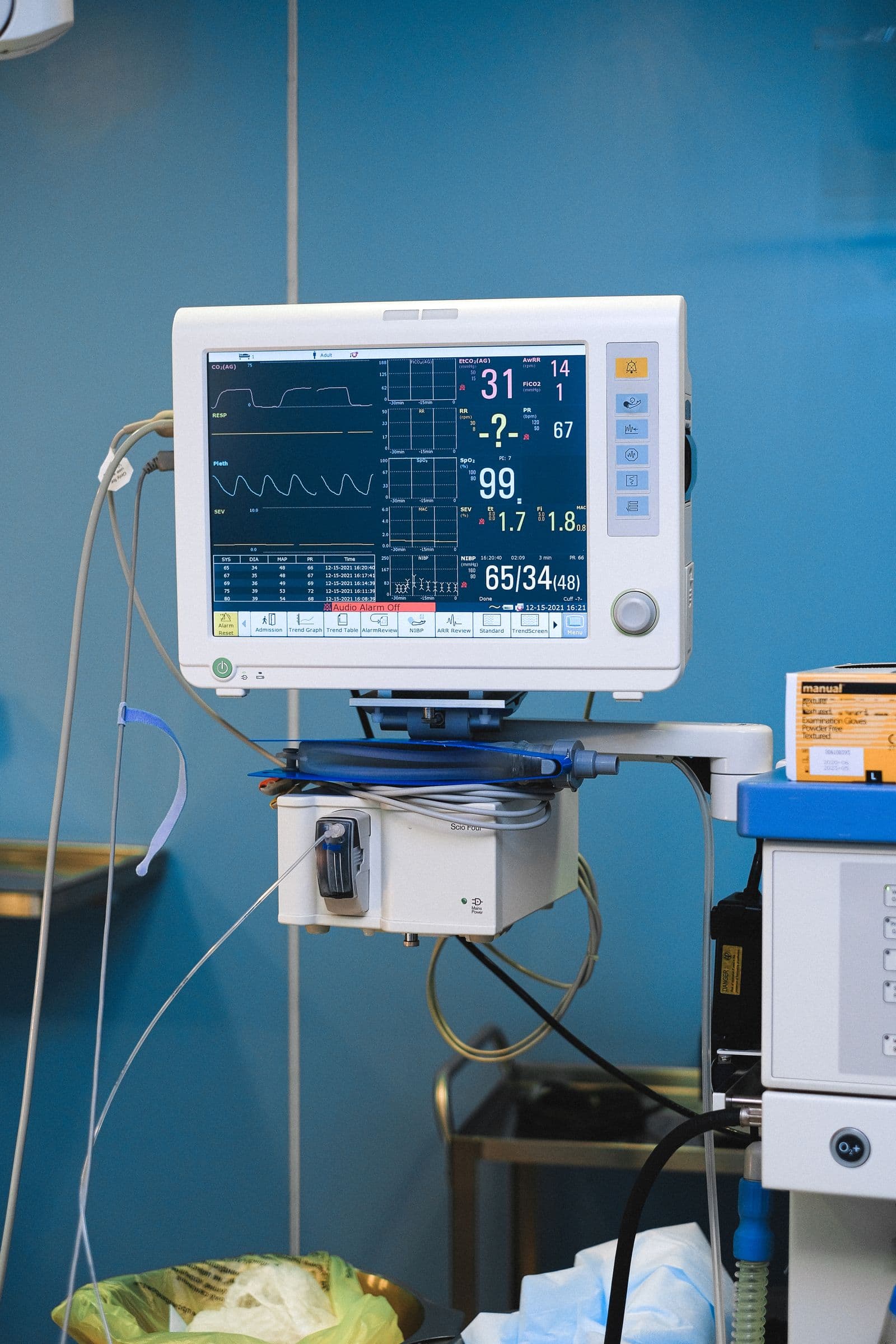
Beds are wired for continuous monitoring of heart rhythm, oxygen levels and blood pressure, with ventilators and infusion pumps on hand for patients who need breathing or drug support. A consultant leads rounds daily and adjusts the plan as the patient's condition changes.
Because the unit sits beside the operating theatres and the emergency department, a patient who deteriorates on the ward or after surgery can be moved straight into the unit rather than transferred to another hospital. Visiting is kept to fixed hours so patients can rest, and a family member is called with an update once a day.
What this covers
- Ventilator support after major surgery
- Close monitoring after a serious infection
- Recovery from a cardiac or respiratory crisis
- Post-operative care after high-risk operations
- Stabilisation of patients transferred from the ward
Conditions we see most
- Respiratory failure
- Severe sepsis
- Post-operative instability
- Multi-organ monitoring after trauma
- Severe dengue with warning signs
- Drug overdose requiring observation
Speak to the ICU desk
- Nursing ratio
- Small, fixed group of beds
- Consultant rounds
- Daily
- Visiting
- Fixed hours
- Family update
- Once daily by phone or in person
Your visit, step by step
Admission
A patient is moved in from theatre, the ward or the emergency department once a bed and monitor are ready.
Stabilise
Lines, monitoring and, if needed, a ventilator are set up, and a baseline plan is agreed with the consultant.
Daily review
The consultant rounds each day, and nursing observations are recorded continuously between reviews.
Step down
Once stable, the patient is moved back to a ward bed with a written handover for the receiving team.
How to prepare
- Bring a list of the patient's regular medicines
- Nominate one family contact for daily updates
- Check visiting hours at the ICU desk before arriving
- Keep a phone reachable for the update call
Bring with you
- Photo ID and OPD card, if you have one
- A referral letter, if a doctor gave you one
- Current medicines, or a list of them
- Previous test results or imaging
- Insurance card or policy details
The team on this service
Intensive care consultants
Lead a daily round and set the treatment plan for every bed.
Critical care nursing team
Assigned to a small, fixed group of beds for continuous observation.
Respiratory therapists
Manage ventilator settings and airway care alongside nursing staff.
Unit coordinator
Handles family updates, visiting arrangements and transfers to the ward.